Holiday Hours

December 25, 2025 – Closed

January 1, 2026 – Closed

As of the afternoon of January 23, 2025, our phones are operational. Thank you for your patience as our phone provider experienced a national outage that impacted our phone services on the afternoon of January 22 and the morning of January 23.

Doctor's Blog

Take the first step towards receiving care.

Understanding Ovarian Cancer

Understanding Ovarian Cancer

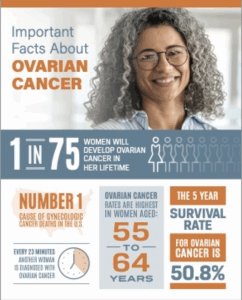
Ovarian cancer begins in the ovaries, the reproductive glands that produce eggs. It is the fifth most common cancer among women and the deadliest of the gynecologic cancers. One of the challenges with ovarian cancer is that it is often diagnosed at an advanced stage, when it is harder to treat effectively.

Read More »
Gynecologic Cancer Awareness

Gynecologic Cancer Awareness: Knowledge and Prevention

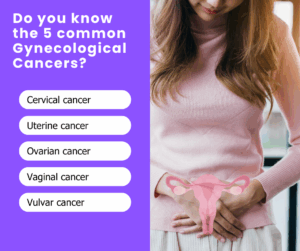
September is Gynecologic Cancer Awareness Month, a time dedicated to raising awareness about the five main types of gynecologic cancers: cervical, ovarian, uterine, vaginal, and vulvar. These cancers affect the reproductive organs and can have a profound impact on women’s health. At Imperial Valley, we are committed to educating women about these cancers, promoting early detection, and providing comprehensive care for those affected.

Read More »
Prostate Cancer Awareness

Prostate Cancer Awareness

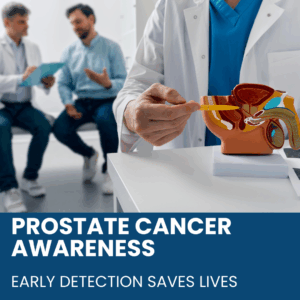
Prostate cancer is a significant health concern, being the most commonly diagnosed cancer among men, second only to skin cancer. It originates in the prostate gland, which is responsible for producing seminal fluid that nourishes and transports sperm. While many men live with prostate cancer without experiencing severe symptoms, understanding the disease is crucial for effective management and treatment.

Read More »
small lifestyle

Small Lifestyle Changes to Reduce Cancer Risk

Cancer is a word that carries immense weight, affecting millions of lives every year. While it’s true that some risk factors are beyond our control, such as genetics, there are many ways we can actively reduce our risk of developing cancer. By making healthier choices in our daily lives, we can significantly lower our chances of encountering this devastating disease.

Nourish Your Body with a Balanced Diet

What we eat has a profound impact on our overall health. A diet rich in fruits, vegetables, whole grains, and lean proteins can help protect against various types of cancer. Limiting processed foods, red meat, and sugary beverages can also make a big difference. Small dietary changes, like swapping out chips for a handful of nuts or choosing grilled chicken over fried, can add up to major benefits over time.

Read More »
family history

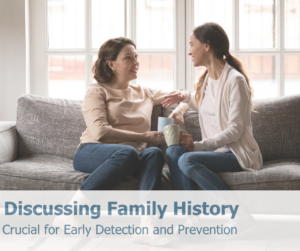
The Importance of Discussing Family History of Cancer

Understanding your family history of cancer is a vital step in cancer prevention, early detection, and effective treatment. Many cancers have genetic components, meaning they can be influenced by inherited genetic mutations. By discussing and knowing your family history, you can take proactive steps to manage your health and reduce your risk of developing cancer.

Read More »
power of exercise

The Power of Exercise During Treatment

Cancer treatment can be physically and emotionally demanding, but incorporating exercise into your routine can significantly improve your overall well-being. Exercise is known to reduce stress, boost mood, and restore energy levels. For cancer patients, these benefits can be particularly impactful, helping to manage treatment side effects and enhance recovery. In this two-part series, we’ll explore the numerous benefits of exercise for cancer patients and provide practical tips for incorporating physical activity into your life. Make sure to consult your healthcare provider before beginning any exercise program.

Read More »
lung ribbon

Breathe Easy this November: Three Things to Know About Lung Cancer

November is Lung Cancer Awareness Month. Lung cancer doesn’t discriminate; it affects both smokers and non-smokers, emphasizing the importance of awareness and education no matter your lifestyle. With a disease prevalent among millions worldwide, there are steps you take now to reduce your risk. Check out these three key facts about lung cancer. Keep them in mind this month and evaluate your lifestyle and health. Is it time to make some changes this November?

Read More »
Gynecologic Cancer Awareness

Exploring the Five Types of Gynecological Cancer

In recognition of Gynecological Awareness Month, we’re shedding some light on the 5 types of gynecological cancer to help understand contributing risk factors and preventative detection. Women can feel confident in taking control of their health with knowledge to promote early detection, effective treatment, and overall well-being.

Read More »
faq

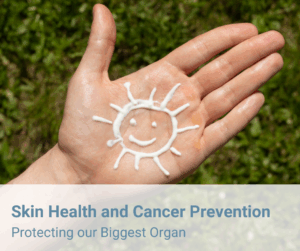
Questions About Skin Cancer? We Have the Answers

Q:
What is skin cancer?

A:
Skin cancer is a condition characterized by the abnormal growth of skin cells, often caused by excessive exposure to ultraviolet (UV) radiation from the sun or artificial sources like tanning beds. There are different types of skin cancer, including melanoma, basal cell carcinoma, and squamous cell carcinoma.

Read More »
sleep

Your Sleep Patterns Could be Impacting Your Mental Health

Sleep is an essential aspect of our lives that is often overlooked. While we sleep, our body and mind recharge, and we wake up feeling refreshed and ready to tackle the day. However, lack of sleep can have a profound impact on our mental health, affecting our mood, emotions, and cognitive function. We will explore the relationship between sleep and mental health and the impact of sleep deprivation on our mental well-being.

Read More »
health month

May is Women’s Health Month

Cancer is a disease that affects millions of people worldwide, and while there are many factors that contribute to cancer, there are also many preventative measures that women can take to reduce their risk. This Women’s Health Week, we will explore some of the best practices women can follow to lessen their chance of developing cancer.

Maintain a Healthy Diet

One of the best things you can do for your health is to maintain a healthy and balanced diet. Eating a diet rich in fruits, vegetables, and whole grains can help provide the nutrients and antioxidants your body needs to fight cancer. Additionally, reducing your consumption of processed foods, red meat, and sugary drinks can help lower your cancer risk.

Read More »