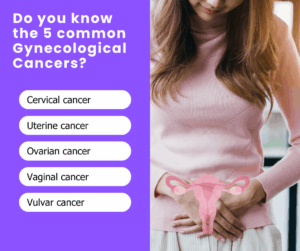
Early Detection Saves Lives: What to Know About Gynecologic Cancers
Gynecologic cancers include cancers of the cervix, ovaries, uterus, vulva, and vagina. Awareness and regular screening can make a life-saving difference.

Gynecologic cancers include cancers of the cervix, ovaries, uterus, vulva, and vagina. Awareness and regular screening can make a life-saving difference.

Prostate cancer is one of the most common cancers among men, but when detected early, it is also one of the most treatable. Raising awareness about risk factors, screening guidelines, and treatment options helps men take proactive steps for their health.

Even gentle movement can reduce fatigue, improve your mood, and support healing.
Why staying active helps:
• Boosts energy levels and reduces fatigue
• Improves sleep and reduces anxiety
• Maintains strength, balance, and mobility
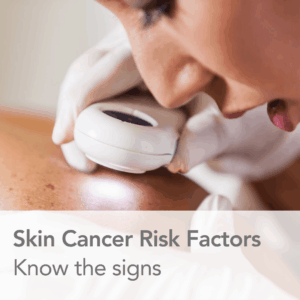
Skin cancer is the most common form of cancer in the United States, but with early detection and prevention, it’s also one of the most treatable.

Sleep is a key part of healing, especially during cancer treatment. Your body uses this time to restore itself, manage stress, and support your immune system. Unfortunately, many people undergoing treatment find it difficult to sleep well.

Good nutrition is essential during cancer treatment, and summer offers a bounty of seasonal foods that can help you feel your best. Fresh fruits, vegetables, and hydrating meals not only support your immune system but also help manage treatment side effects.
July is Sarcoma and Bone Cancer Awareness Month—a time to shed light on a group of rare but serious cancers that often go unnoticed. While they make up only about 1% of all adult cancers, sarcomas can affect anyone at any age, and early detection can make a significant difference.
Summer brings sunshine, warmth, and outdoor fun—but for those undergoing cancer treatment, it also brings added challenges. Heat and humidity can increase the risk of dehydration, especially when combined with side effects from chemotherapy, radiation, or medications.

June is National Cancer Survivors Month—a time to celebrate those who have faced cancer and come through with courage, hope, and determination. It’s also a moment to recognize the caregivers, providers, and loved ones who stand beside them.

Head and neck cancer is a term used to describe a variety of cancers that occur in the head and neck region. This includes the oral cavity, pharynx, larynx, salivary glands, nasal cavity, and sinuses. The most common type of head and neck cancer is squamous cell carcinoma, which accounts for more than 90% of cases. This blog will guide you through the symptoms of head and neck cancer, the diagnostic process and treatment options.

As you prepare to send your kids back to school, the to-do lists and back-to-school shopping start to pile up. It’s no surprise sun protection slips down the list of priorities as you move away from outdoor activities and focus on classroom needs.

Exercise is known to have a number of health benefits and helps sustain a higher quality of life. The amount of physical activity an individual participates in might change with age; at any stage of life, regularly engaging in a form of exercise can significantly impact your health.