Life After Colorectal Cancer
Navigating life after colorectal cancer treatment can be challenging, but with the right resources and support, individuals can thrive in this phase.
Adjusting to Life After Treatment:

Navigating life after colorectal cancer treatment can be challenging, but with the right resources and support, individuals can thrive in this phase.
Adjusting to Life After Treatment:
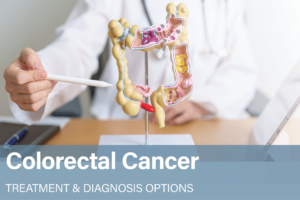
Colorectal cancer remains a global health concern, but progress in early detection and treatment offers hope.
Diagnosis:
Colorectal cancer screening is crucial for early detection and improved outcomes. Here’s why it matters and the screening options available:
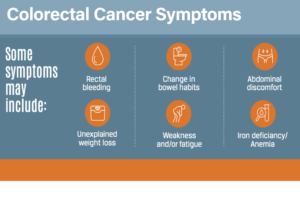
Colorectal cancer is a prevalent and potentially life-threatening disease, but it’s often treatable when detected early. Recognizing the symptoms of colorectal cancer is crucial for prompt diagnosis and intervention. Below are signs and symptoms of colorectal cancer to be aware of, emphasizing the importance of paying attention to your body and seeking medical attention if any concerning symptoms arise.
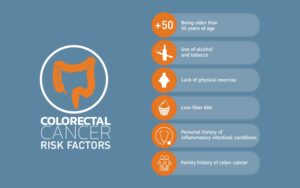
Colorectal cancer, is influenced by genetic, lifestyle, and environmental factors. Understanding its causes and risk factors is key for prevention and early detection.
As we commemorate National Cancer Prevention Month, it is crucial to recognize the importance of early detection and screening in the ongoing battle against cancer. Regular screenings for different cancer types can greatly impact timely intervention and treatment outcomes.

As we commemorate National Cancer Prevention Month, it is crucial to recognize the importance of early detection and screening in the ongoing battle against cancer. Regular screenings for different cancer types can greatly impact timely intervention and treatment outcomes.
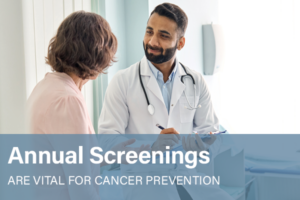
As we commemorate National Cancer Prevention Month, it is crucial to recognize the importance of early detection and screening in the ongoing battle against cancer. Regular screenings for different cancer types can greatly impact timely intervention and treatment outcomes.
As we honor National Cancer Prevention Month, it is important to know the factors that can contribute to the development of cancer. Lifestyle choices, environmental influences, genetics, and other variables can increase your risk of cancer. Understanding risk factors is critical to help prevent cancer.

Being diagnosed with skin cancer can be overwhelming—but the good news is that skin cancer is often highly treatable, especially when caught early. There are several effective treatment options, and the best approach depends on the type, location, and stage of your cancer, as well as your overall health.

Sunshine is good for the soul, but too much can damage your skin and increase your risk of skin cancer. The good news? Most skin cancers are preventable with a few smart habits.

Skin cancer is the most common form of cancer in the United States, and when detected early, it’s also one of the most treatable. That’s why knowing the warning signs and regularly checking your skin is so important.

A cancer diagnosis brings more than just physical challenges—it also affects emotional and mental health. It’s completely normal to feel overwhelmed, anxious, or even scared. But managing stress throughout treatment can help improve your overall well-being and support healing.
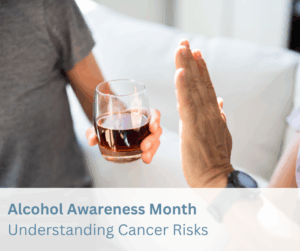
April is Alcohol Awareness Month—an important time to understand how alcohol consumption affects cancer risk. Regular alcohol use is linked to an increased risk of cancers, including breast, liver, mouth, throat, and esophagus.
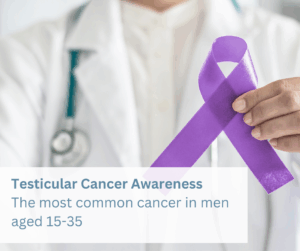
Testicular cancer is the most common cancer in men between the ages of 15 and 35. While rare overall, it is highly treatable, especially when caught early.
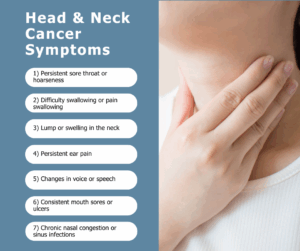
April is Head and Neck Cancer Awareness Month—a time to highlight cancers that affect the mouth, throat, voice box, nasal cavity, and sinuses. Though these cancers are less common than others, they can have a significant impact on daily life and long-term health.

March is Colorectal Cancer Awareness Month, a time to highlight the importance of screening, prevention, and early detection. Colon cancer is the second leading cause of cancer-related deaths, yet it is also one of the most preventable cancers.

Colonrectal cancer is one of the most common cancers, but when detected early, it is highly treatable. Understanding the warning signs can help you take action before the disease progresses. We encourage everyone to be aware of these symptoms and prioritize regular screenings.
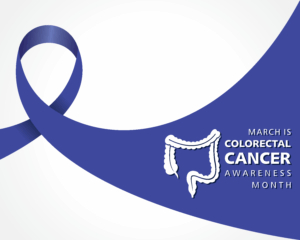
Colorectal cancer is one of the most common cancers, yet it is also one of the most preventable and treatable when detected early. March is Colorectal Cancer Awareness Month, a time to raise awareness, encourage screenings, and promote healthy habits that can lower your risk.