Holiday Hours

December 25, 2025 – Closed

January 1, 2026 – Closed

As of the afternoon of January 23, 2025, our phones are operational. Thank you for your patience as our phone provider experienced a national outage that impacted our phone services on the afternoon of January 22 and the morning of January 23.

Doctor's Blog

Take the first step towards receiving care.

Understanding Ovarian Cancer

Understanding Ovarian Cancer

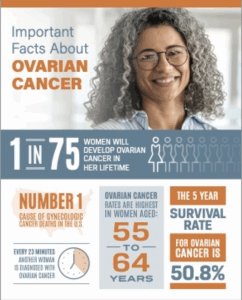
Ovarian cancer begins in the ovaries, the reproductive glands that produce eggs. It is the fifth most common cancer among women and the deadliest of the gynecologic cancers. One of the challenges with ovarian cancer is that it is often diagnosed at an advanced stage, when it is harder to treat effectively.

Read More »
Gynecologic Cancer Awareness

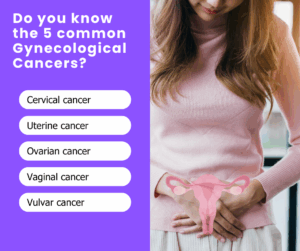
Gynecologic Cancer Awareness: Knowledge and Prevention

September is Gynecologic Cancer Awareness Month, a time dedicated to raising awareness about the five main types of gynecologic cancers: cervical, ovarian, uterine, vaginal, and vulvar. These cancers affect the reproductive organs and can have a profound impact on women’s health. At Imperial Valley, we are committed to educating women about these cancers, promoting early detection, and providing comprehensive care for those affected.

Read More »
Prostate Cancer Awareness

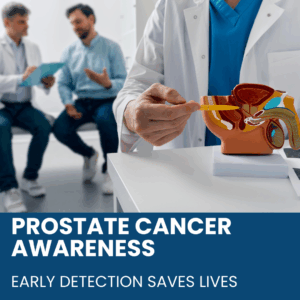
Prostate Cancer Awareness

Prostate cancer is a significant health concern, being the most commonly diagnosed cancer among men, second only to skin cancer. It originates in the prostate gland, which is responsible for producing seminal fluid that nourishes and transports sperm. While many men live with prostate cancer without experiencing severe symptoms, understanding the disease is crucial for effective management and treatment.

Read More »
small lifestyle

Small Lifestyle Changes to Reduce Cancer Risk

Cancer is a word that carries immense weight, affecting millions of lives every year. While it’s true that some risk factors are beyond our control, such as genetics, there are many ways we can actively reduce our risk of developing cancer. By making healthier choices in our daily lives, we can significantly lower our chances of encountering this devastating disease.

Nourish Your Body with a Balanced Diet

What we eat has a profound impact on our overall health. A diet rich in fruits, vegetables, whole grains, and lean proteins can help protect against various types of cancer. Limiting processed foods, red meat, and sugary beverages can also make a big difference. Small dietary changes, like swapping out chips for a handful of nuts or choosing grilled chicken over fried, can add up to major benefits over time.

Read More »
family history

The Importance of Discussing Family History of Cancer

Understanding your family history of cancer is a vital step in cancer prevention, early detection, and effective treatment. Many cancers have genetic components, meaning they can be influenced by inherited genetic mutations. By discussing and knowing your family history, you can take proactive steps to manage your health and reduce your risk of developing cancer.

Read More »
power of exercise

The Power of Exercise During Treatment

Cancer treatment can be physically and emotionally demanding, but incorporating exercise into your routine can significantly improve your overall well-being. Exercise is known to reduce stress, boost mood, and restore energy levels. For cancer patients, these benefits can be particularly impactful, helping to manage treatment side effects and enhance recovery. In this two-part series, we’ll explore the numerous benefits of exercise for cancer patients and provide practical tips for incorporating physical activity into your life. Make sure to consult your healthcare provider before beginning any exercise program.

Read More »
Coping with Cancer During the Holidays

Coping with Cancer During the Holidays

The holiday season is often associated with joy, celebration, and togetherness. However, for those navigating a cancer diagnosis, it can bring a mix of emotions—stress, sadness, and even anxiety. Balancing treatment, family gatherings, and self-care may feel overwhelming, but there are ways to make the season more manageable and meaningful.

Here are some tips for coping with cancer during the holidays:

Read More »
Hope and Progress in Pancreatic Cancer Treatment and Research

Hope and Progress in Pancreatic Cancer Treatment and Research

Pancreatic cancer has long been one of the most challenging cancers to treat, but advances in research, treatment, and advocacy are providing new hope. This Pancreatic Cancer Awareness Month, let’s focus on the importance of innovative treatment options and how we can support ongoing research for better patient outcomes.

Read More »
Pancreatic Cancer – Understanding the Disease and Its Challenges

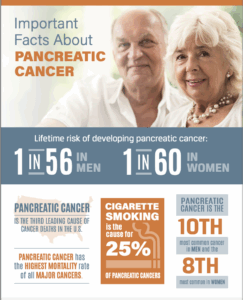
Pancreatic Cancer – Understanding the Disease and Its Challenges

November is Pancreatic Cancer Awareness Month, a time to shine a light on one of the deadliest cancers that, despite its severity, receives limited attention. Pancreatic cancer is challenging to diagnose early, spreads quickly, and has a low survival rate. However, awareness and understanding can help in early detection and support ongoing research to improve outcomes.

Read More »
Lung Cancer Treatment Options

Lung Cancer Treatment Options

If you or a loved one is diagnosed with lung cancer, understanding treatment options is essential. Let’s explore the various ways lung cancer can be treated, offering hope and options for those affected.

Read More »
The Importance of Discussing Family History in Breast Cancer Risk

Lung Cancer Awareness

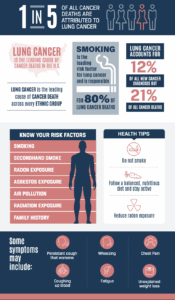
Lung cancer is a leading cause of cancer deaths worldwide, and its early symptoms are often overlooked or mistaken for less serious conditions. In this post, we’ll discuss what lung cancer is, explore its types, and focus on understanding the symptoms, so individuals can recognize early warning signs.

Read More »
Understanding Breast Cancer Symptoms

Understanding Breast Cancer Symptoms: What to Look For and When to Seek Help

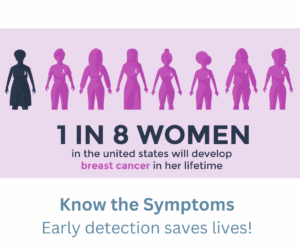
Breast cancer is one of the most common cancers affecting women worldwide. Early detection can significantly improve treatment outcomes, so it’s crucial to be aware of the symptoms and know when to seek medical attention. In this blog, we’ll discuss the key signs and symptoms of breast cancer, helping you stay informed and proactive about your breast health.

Read More »
Understanding the Risk Factors for Breast Cancer

Understanding the Risk Factors for Breast Cancer

Breast cancer can affect anyone, but some individuals are at a higher risk than others. Understanding your risk factors is a critical step in prevention and early detection. In this second part of our Breast Cancer Awareness Month blog series, we’ll dive into the various factors that can increase the likelihood of developing breast cancer.

Read More »