
Life After Colorectal Cancer
Navigating life after colorectal cancer treatment can be challenging, but with the right resources and support, individuals can thrive in this phase.
Adjusting to Life After Treatment:

Navigating life after colorectal cancer treatment can be challenging, but with the right resources and support, individuals can thrive in this phase.
Adjusting to Life After Treatment:
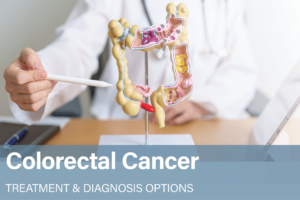
Colorectal cancer remains a global health concern, but progress in early detection and treatment offers hope.
Diagnosis:
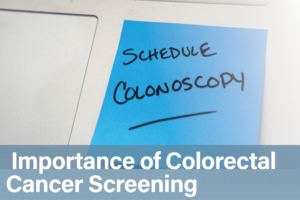
Colorectal cancer screening is crucial for early detection and improved outcomes. Here’s why it matters and the screening options available:
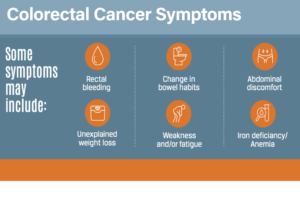
Colorectal cancer is a prevalent and potentially life-threatening disease, but it’s often treatable when detected early. Recognizing the symptoms of colorectal cancer is crucial for prompt diagnosis and intervention. Below are signs and symptoms of colorectal cancer to be aware of, emphasizing the importance of paying attention to your body and seeking medical attention if any concerning symptoms arise.
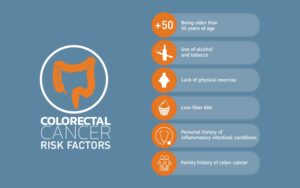
Colorectal cancer, is influenced by genetic, lifestyle, and environmental factors. Understanding its causes and risk factors is key for prevention and early detection.
As we commemorate National Cancer Prevention Month, it is crucial to recognize the importance of early detection and screening in the ongoing battle against cancer. Regular screenings for different cancer types can greatly impact timely intervention and treatment outcomes.

As we commemorate National Cancer Prevention Month, it is crucial to recognize the importance of early detection and screening in the ongoing battle against cancer. Regular screenings for different cancer types can greatly impact timely intervention and treatment outcomes.
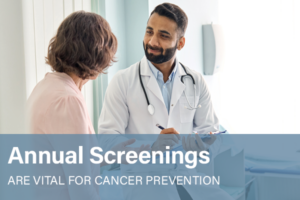
As we commemorate National Cancer Prevention Month, it is crucial to recognize the importance of early detection and screening in the ongoing battle against cancer. Regular screenings for different cancer types can greatly impact timely intervention and treatment outcomes.

As we honor National Cancer Prevention Month, it is important to know the factors that can contribute to the development of cancer. Lifestyle choices, environmental influences, genetics, and other variables can increase your risk of cancer. Understanding risk factors is critical to help prevent cancer.
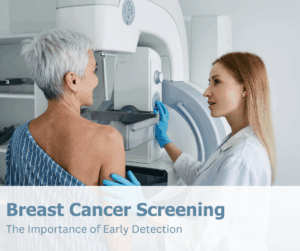
October is Breast Cancer Awareness Month, and there’s no better time to discuss one of the most crucial factors in beating this disease: early detection through screening. Regular screenings can dramatically increase the chances of catching breast cancer in its early stages when it’s most treatable.
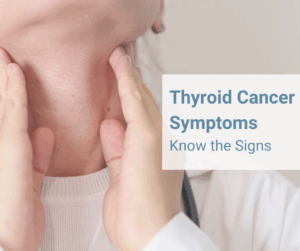
Thyroid cancer is a type of cancer that originates in the thyroid gland, located at the base of the neck. While it is relatively rare compared to other cancers, its incidence has been increasing in recent years. Early detection and advancements in treatment have improved outcomes, making it essential to understand the basics of thyroid cancer, its symptoms, and available treatment options.

September is a pivotal month in cancer awareness, shining a spotlight on leukemia and lymphoma. We are dedicated to providing education, support, and cutting-edge treatments to those affected by these blood cancers. Let’s explore the essentials of leukemia and lymphoma, their symptoms, and the importance of early detection and treatment.
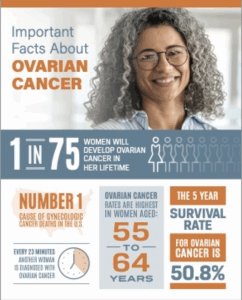
Ovarian cancer begins in the ovaries, the reproductive glands that produce eggs. It is the fifth most common cancer among women and the deadliest of the gynecologic cancers. One of the challenges with ovarian cancer is that it is often diagnosed at an advanced stage, when it is harder to treat effectively.

September is Gynecologic Cancer Awareness Month, a time dedicated to raising awareness about the five main types of gynecologic cancers: cervical, ovarian, uterine, vaginal, and vulvar. These cancers affect the reproductive organs and can have a profound impact on women’s health. At Imperial Valley, we are committed to educating women about these cancers, promoting early detection, and providing comprehensive care for those affected.
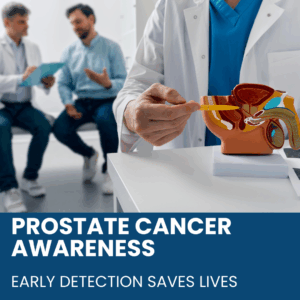
Prostate cancer is a significant health concern, being the most commonly diagnosed cancer among men, second only to skin cancer. It originates in the prostate gland, which is responsible for producing seminal fluid that nourishes and transports sperm. While many men live with prostate cancer without experiencing severe symptoms, understanding the disease is crucial for effective management and treatment.

Receiving a prostate cancer diagnosis can be overwhelming, but asking the right questions can help you make informed decisions about your care. Here are key questions to consider:

Navigating the emotional challenges of a cancer diagnosis and treatment requires a proactive approach to mental well-being. We recognize that supporting your mental health is crucial for overall recovery and quality of life. Here’s how you can take steps to nurture your mental health during this time.

Our skin is the body’s largest organ, serving as the first line of defense against environmental factors, regulating body temperature, and playing a crucial role in overall health. Taking proactive steps is essential for protecting your skin against skin cancer.

Cancer is a word that carries immense weight, affecting millions of lives every year. While it’s true that some risk factors are beyond our control, such as genetics, there are many ways we can actively reduce our risk of developing cancer. By making healthier choices in our daily lives, we can significantly lower our chances of encountering this devastating disease.
Nourish Your Body with a Balanced Diet
What we eat has a profound impact on our overall health. A diet rich in fruits, vegetables, whole grains, and lean proteins can help protect against various types of cancer. Limiting processed foods, red meat, and sugary beverages can also make a big difference. Small dietary changes, like swapping out chips for a handful of nuts or choosing grilled chicken over fried, can add up to major benefits over time.