December 25, 2025 – Closed

December 25, 2025 – Closed
January 1, 2026 – Closed
As of the afternoon of January 23, 2025, our phones are operational. Thank you for your patience as our phone provider experienced a national outage that impacted our phone services on the afternoon of January 22 and the morning of January 23.
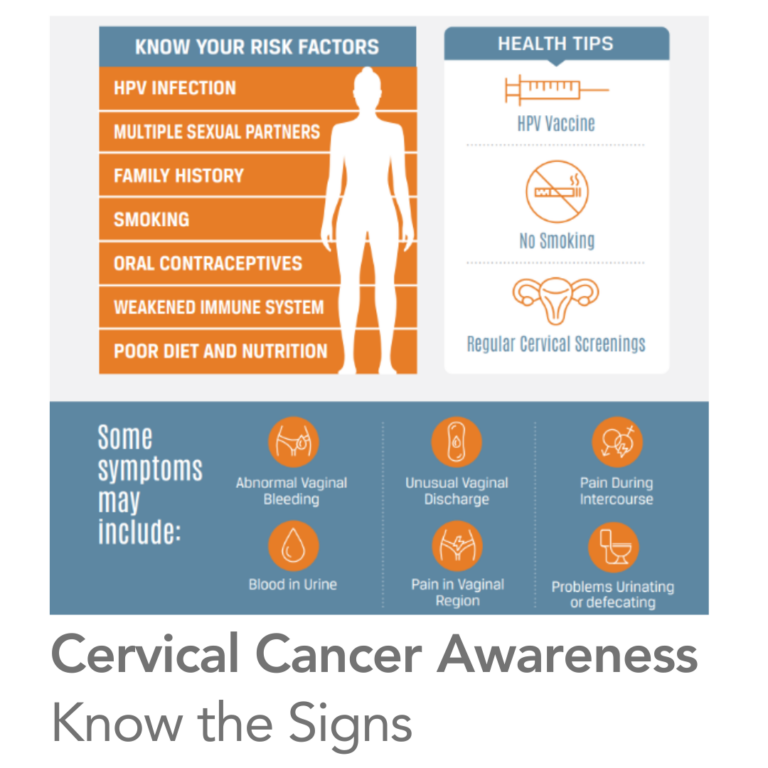
In early stages, cervical cancer may not cause noticeable symptoms. As it progresses, some signs may include:
If you experience any of these symptoms, it is important to contact your healthcare provider promptly.
Treatment depends on the stage of cancer, overall health, and individual patient needs. A personalized care plan is created for each patient.
Surgery
Radiation Therapy
Chemotherapy
Immunotherapy and Targeted Therapy
When cervical cancer is caught early, treatment is often less invasive and more effective. Routine Pap tests and HPV screenings remain the best tools for prevention and early detection. These screenings can identify abnormal changes before cancer develops.
Our caring team of experts are here to provide you with a custom-tailored treatment plan that is unique to your diagnosis, tumor size, location and involvement. Click on the button below to learn more.