A Guide to Preventing Skin Cancer and Staying Safe in the Sun
Skin cancer is one of the most common cancers worldwide, but the good news is that it’s also one of the most preventable. With the right habits and awareness, you can significantly reduce your risk and keep your skin healthy for years to come. While early detection plays an important role in successful outcomes, prevention is the first and most powerful step.
As summer brings more sunshine and time outdoors, now is the perfect time to focus on protecting your skin.
Why Skin Protection Matters
Your skin is your body’s largest organ, and it’s constantly exposed to ultraviolet (UV) radiation from the sun. Over time, repeated exposure to UV rays can damage skin cells, leading to premature aging, sunburn, and an increased risk of skin cancer.
UV exposure is cumulative, meaning the damage builds over the years. That’s why adopting protective habits today can make a lasting difference in your long-term health.
Simple, Effective Ways to Protect Your Skin
Protecting your skin doesn’t have to be complicated. Small, consistent actions can go a long way.
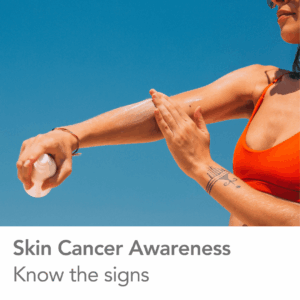
Use Sunscreen Daily
Apply a broad-spectrum sunscreen with SPF 30 or higher every day even on cloudy days. Sunscreen helps block both UVA (aging) and UVB (burning) rays.
- Apply 15 minutes before going outside.
- Reapply every 2 hours, or more often if swimming or sweating.
- Don’t forget commonly missed areas like ears, neck, and tops of feet.
Seek Shade During Peak Hours
The sun’s rays are strongest between 10 a.m. and 4 p.m. If you’re outdoors during these hours, try to stay in the shade as much as possible.
Wear Protective Clothing
Clothing is one of the simplest and most effective forms of protection.
- Choose lightweight, long-sleeved shirts and long pants.
- Wear a wide-brimmed hat to protect your face, ears, and neck.
- Use UV-blocking sunglasses to protect your eyes and surrounding skin.
Be Mindful Around Reflective Surfaces
Water, sand, and pavement can reflect sunlight and increase UV exposure. Even if you’re under an umbrella or in partial shade, you can still be exposed to harmful rays.
Avoid Tanning Beds
Artificial UV light from tanning beds is just as harmful as natural sunlight and can increase your risk of skin cancer. There’s no such thing as a “safe” tan when it comes to UV exposure.
Know Your Skin: Awareness Is Key
Being aware of changes can help you recognize when something needs medical attention.
What to Look For
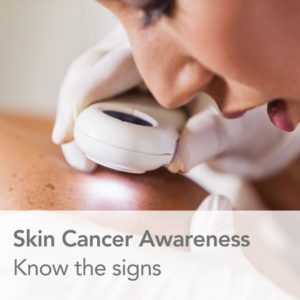
Perform regular self-checks and watch for:
- New growths or spots
- Changes in size, shape, or color of existing moles
- Sores that don’t heal
- Spots that itch, bleed, or become painful
A helpful guideline is the ABCDE rule for moles:
- A – Asymmetry (one half doesn’t match the other)
- B – Border (edges are irregular or blurred)
- C – Color (uneven shades of brown, black, or other colors)
- D – Diameter (larger than a pencil eraser)
- E – Evolving (changing over time)
If you notice anything unusual, it’s important to consult a healthcare provider.
Summer Skin Safety Tips
Summer is a time for outdoor fun, but it also comes with higher UV exposure. Keep these seasonal tips in mind:
- Plan outdoor activities early morning or late afternoon
- Keep sunscreen accessible
- Stay hydrated to support overall skin health
- Protect children carefully, as their skin is more sensitive to UV damage
- Set reminders to reapply sunscreen, especially during long outdoor events
The best way to reduce your risk of skin cancer is to incorporate sun safety into your daily routine not just during vacations or beach days.
Think of sunscreen like brushing your teeth: a simple step that protects your long-term health. Skin cancer is often preventable, and early action makes a difference. By protecting your skin, staying aware of changes, and practicing sun-safe habits, you’re investing in a healthier future.